
Overview of the iMbewu Fund
The iMbewu Fund, offered through the National Empowerment Fund (NEF), supports Broad-Based Black Economic Empowerment (B-BBEE) by funding and developing black entrepreneurs. The fund targets both start-ups and existing black-owned businesses that require expansion capital.
The NEF provides funding, mentorship, and training to ensure sustainable business growth. It offers financial support through debt, quasi-equity, and equity finance products. Funding ranges from R250,000 to R15 million, depending on the nature and scale of the business.
In addition, the iMbewu Fund plays a strategic role in promoting inclusive economic participation and reducing barriers to entry for historically disadvantaged individuals. It enables entrepreneurs to access critical resources that would otherwise be difficult to secure through traditional financing channels. Furthermore, the fund encourages job creation, supports enterprise development, and strengthens the overall competitiveness of black-owned businesses within both local and national markets. It also promotes innovation, industrial growth, and long-term economic sustainability across multiple sectors.
Moreover, it actively supports emerging entrepreneurs by strengthening their capacity, improving access to markets, and enabling sustainable business expansion across priority sectors nationally.
Funding Solutions Offered
The iMbewu Fund delivers funding through three primary products designed to address different business needs.
Entrepreneur Finance
This product provides start-up and expansion capital to businesses owned and managed by black entrepreneurs. It supports both new ventures and growing enterprises that require funding to scale operations.
Procurement Finance
This product supports black-owned SMEs that secure contracts or tenders from public or private sector entities. It ensures that these businesses have the financial capacity to execute contracts effectively and meet delivery obligations.
Franchise Finance
This product assists entrepreneurs who want to enter the market through established franchise brands. It reduces start-up risk by leveraging proven business models and existing brand recognition.
Priority Sectors
The NEF and iMbewu Fund prioritise investment in key sectors that contribute to economic development. These sectors include agro-processing, energy, financial services, food and beverage, ICT, tourism, transportation, textiles, services, retail, property, printing, the motor industry, mining services, media, and manufacturing.
Transport in the Logistics Sector
Transport and logistics form a critical part of the supply chain. Businesses use logistics systems to manage production, storage, inventory, and delivery processes. The sector ensures that goods move efficiently from manufacturers to retailers and end users.
Companies in the logistics sector focus on delivering products on time, in good condition, and according to customer expectations. The industry plays a major role in both domestic and international trade and contributes significantly to economic growth.
Transport focuses specifically on the physical movement of goods. It forms one component of the broader logistics system. Businesses must consider several key factors, including secure packaging, optimal routing, and the most suitable mode of transport.
Companies divide logistics operations into three core areas to improve efficiency:
Infrastructure Administration: Businesses manage critical infrastructure such as roads, ports, rail networks, airports, and pipelines to support logistics activities.
Operations Management: Businesses organise processes to produce goods and deliver services efficiently.
Vehicle and Fleet Management: Companies coordinate vehicles to maximise utilisation and reduce operational costs.

Requirements for Transport Contract Finance
EEntrepreneurs applying for Transport Contract Finance must submit specific documentation to the iMbewu Fund. Firstly, applicants must provide a signed application form along with a copy of the contract. In addition, existing businesses must include six months of bank statements and up to three years of financial statements, where applicable. Furthermore, they must submit management accounts to demonstrate current performance.
Financial Forecast and Assumptions
Secondly, applicants must prepare a detailed financial forecast that aligns with the contract duration. In this regard, the forecast must include clear assumptions. Moreover, income projections must link directly to contract terms, such as rates per kilometre, tonnage, or fixed pricing structures.
Operational Downtime Considerations
Importantly, the financial model must also account for operational downtime. For example, this includes maintenance periods, shift changes, cleaning, inspections, weekends, holidays, and unexpected disruptions. In support of this, the DTC team assists clients by developing accurate financial projections and facilitating funding applications.
Business Profile Requirements
Additionally, applicants must submit a comprehensive business profile. Specifically, this profile must outline the company’s background, ownership structure, location, and funding requirements. Furthermore, it must explain how the NEF funding will enable the business to meet its contractual obligations. Equally important, the profile must describe the nature of the goods being transported.
Capital Expenditure and Asset Alignment
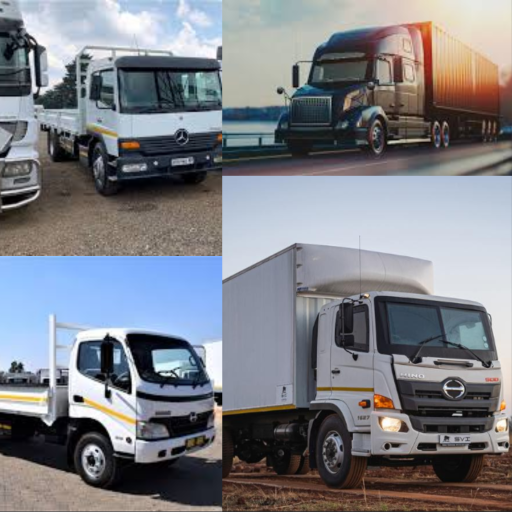
Thereafter, balance sheet assumptions must reflect all capital expenditure. In particular, these include the cost of trucks and trailers, which must match supplier quotations. Moreover, the applicant must specify the number, type, and specifications of vehicles required. Consequently, these details must align with the contract requirements, including engine capacity and axle specifications.
Payment Terms, Systems, and Infrastructure
Finally, applicants must provide details on payment terms with clients and suppliers. In addition, they must outline the fleet management system used to monitor vehicles and ensure operational efficiency. Furthermore, they must describe the infrastructure required to support operations, such as depots, maintenance facilities, and logistics systems.
Why Using DTC is the Solution for You
At Dream Team Capital, we understand the complexity of funding applications and the requirements set by different funding institutions. We have assisted numerous entrepreneurs in securing funding for both start-ups and expansion projects.
Our team provides end-to-end support, including financial modelling, application preparation, and compliance alignment. We simplify the process and improve the chances of securing funding.
For more information and assistance with the iMbewu Fund, contact the DTC team.
For more information and assistance on the iMbewu Fund contact the DTC Team.
